You don’t need to be good at something for it to be good for you.
Have you noticed in that last few years you can’t open social media without encountering someone who woke up at 5 a.m., journalled, went to the gym twice, meal-prepped for the week, started a business and launched a podcast, all before you found the will to even leave your bed?
This was the dream being sold to us: optimize every minute, monetize every interest, and treat your morning routine like a competitive sport. Even side quests had to be productive. It was the culture of the hobby economy.
You weren’t simply taking a walk; you were getting your steps in.
You weren’t reading for fun; you were working toward an annual reading goal.
But lately, I can sense a general sense of fatigue from always being in a productive setting seeping into everyone. And these are all the changes I have noticed.
Slow is having a moment

Slow living is trending again. Not reaching for your phone as soon as you wake up is becoming more and more appealing as a detox. Highly polished “realistic” morning routines are starting to feel less realistic than ever, and we are calling them out.
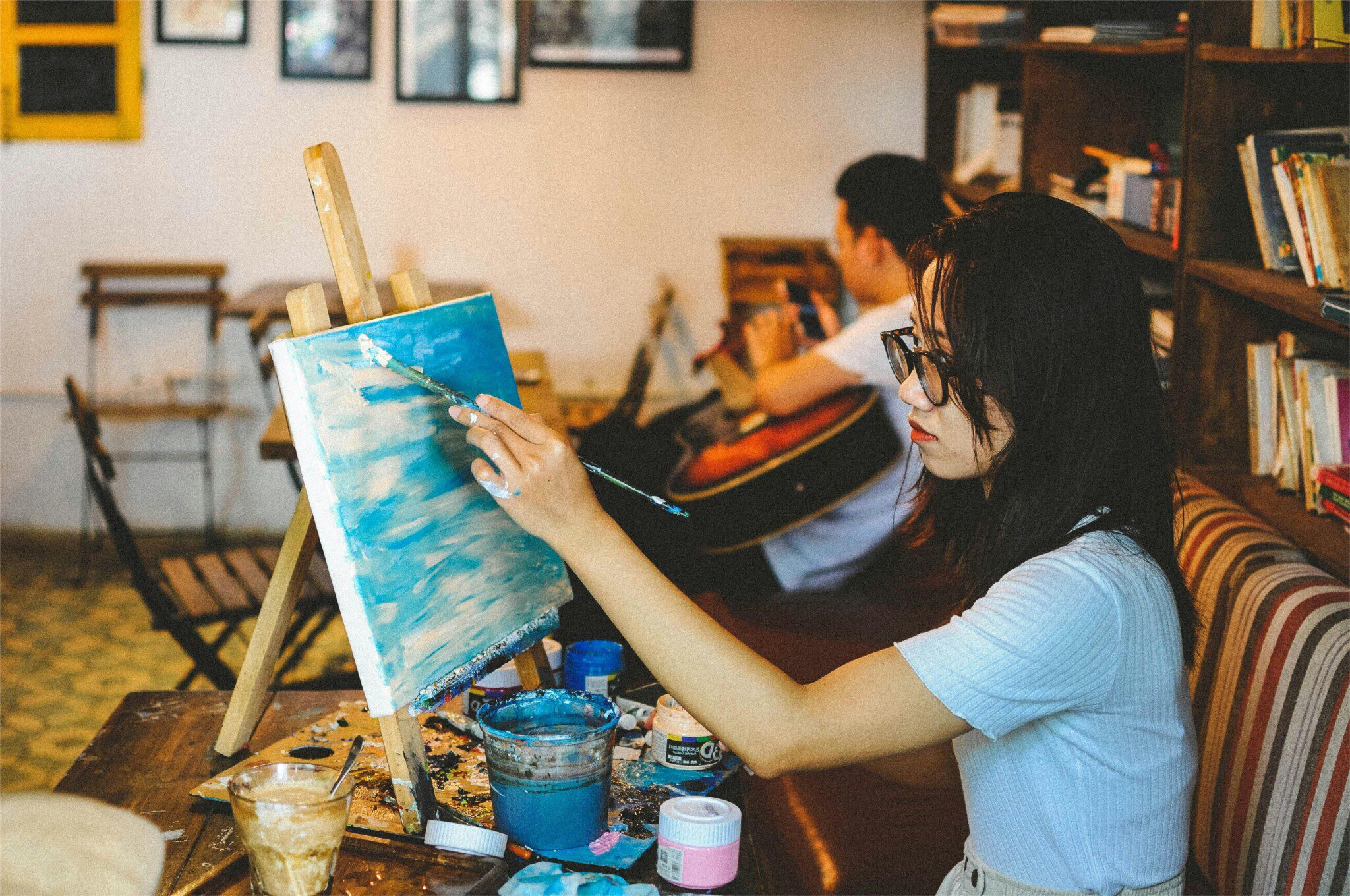
More and more people are crocheting imperfect scarves, decorating cakes that lean slightly to one side and, like several of my friends, painting tiny frogs.
We seem to have collectively decided that we need something to do with our hands again and that it doesn’t need to become a side hustle that helps us start another YouTube channel to give tips about earning $10,000 in five simple ways.
Touching grass is back in style

Running clubs are exploding in popularity. Pottery classes have waitlists. People are spending their evenings feeding sourdough starters with the dedication usually reserved for small pets or babies.
Activities that once seemed old-fashioned are suddenly everywhere. Embroidery, scrapbooking, gardening, birdwatching and baking bread are all having their moment.
Even “touching grass,” once an online insult telling someone to log off, has become genuine lifestyle advice. And let me tell you: it works!
Giving our brains a break from screens

After spending an entire day moving between a laptop, phone and tablet, there is something calming about working with an object you can actually touch.
Clay doesn’t send notifications. A crochet hook doesn’t ask you to accept website cookies before you start. Bread dough has never requested a password containing an uppercase letter, two numbers and the Egyptian hieroglyph for Saturn’s 12th moon.
Hands-on hobbies give our minds somewhere gentler to rest. Instead of absorbing more information, we get to concentrate on one simple action: mixing, painting, stitching, shaping or moving.
For a little while, our attention belongs entirely to us.
The comfort of finishing something

Offline hobbies can also provide something that screens rarely do: a clear ending.
You finish a painting. You bake the loaf. You complete the puzzle. You run the distance. You paint a quirky frog like my friends to hang on the refrigerator.
Online, there is always another post to read, video to watch or email to answer. The scrolling never really ends, which can leave our brains feeling busy even when we technically haven’t done anything.
Completing a small, physical task can offer a sense of satisfaction and control— especially when the rest of life feels uncertain.
Not everything needs to become income

The return to non-monetary hobbies may also be a rejection of hustle culture.
For a while, every interest came with pressure to make it useful. If you enjoyed baking, someone suggested selling cupcakes. If you painted, you needed an online store. If you liked books, perhaps you should start reviewing them and build a personal brand.
But a hobby is allowed to be completely unprofitable.
You can run slowly. You can paint something nobody buys. You can make a slightly alarming ceramic bowl and keep it forever because you made it yourself.
There is freedom in doing something simply because it feels good.
Students deserve unproductive joy

For students, that freedom from being productive can be especially important.
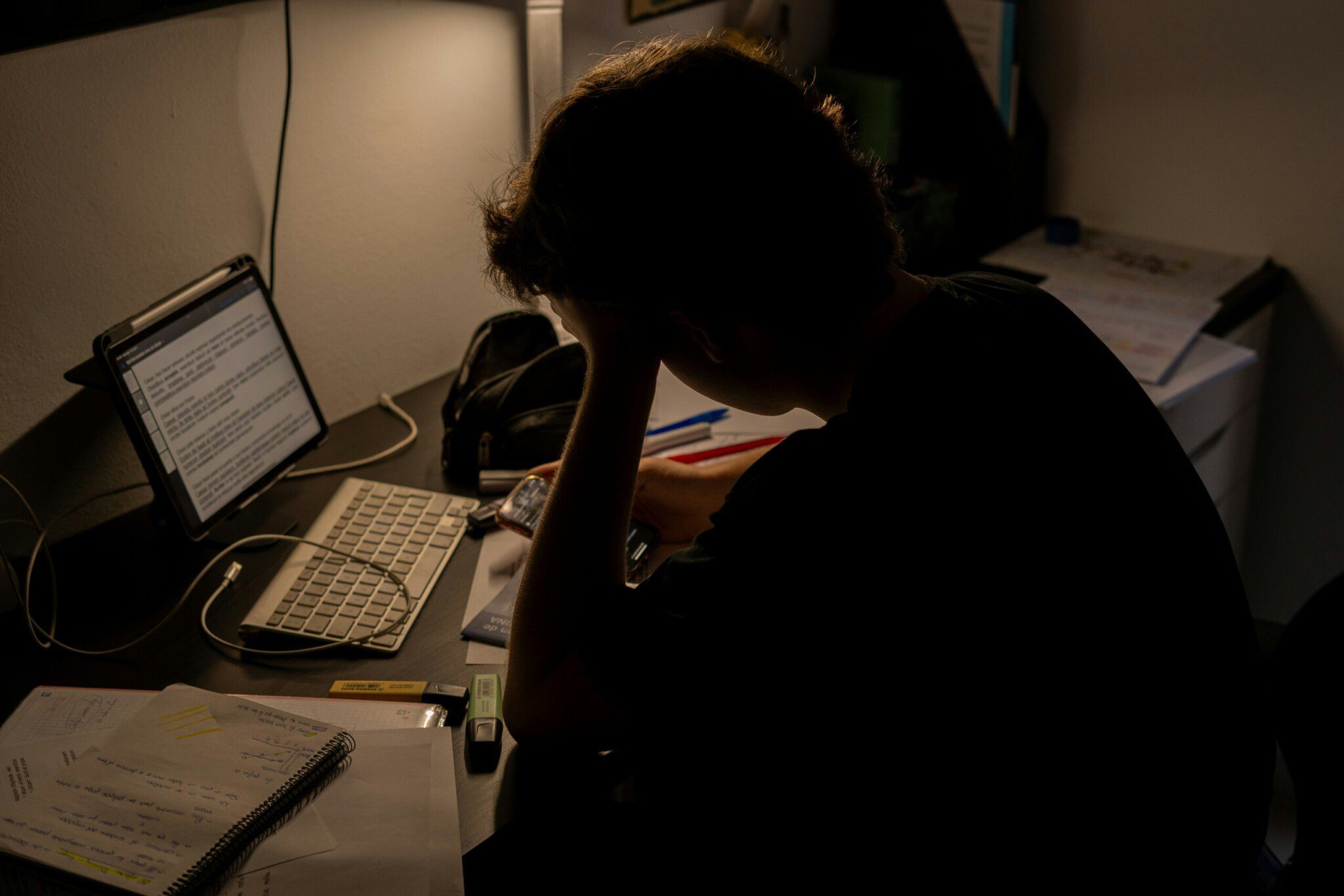
Between classes, assignments, part-time jobs, applications and the pressure to prepare for the future, almost everything in student life can begin to feel like it needs to belong on a résumé.
Taking time for an activity without measuring its career value is not a waste. It can help you slow down, reconnect with yourself, and temporarily step outside the cycle of deadlines. Maybe that’s why the student staff at IGNITE encourage and enjoy filling the board at the workstation with doodles. Little pieces of everyone’s contribution to look at, made ‘just because’.
A hobby won’t solve every student’s problem, but it can create a small pocket of peace inside a demanding week.
You are allowed to slow down

You do not need to earn every moment of rest.
You do not need to turn every interest into an accomplishment.
You also don’t need to spend hundreds of dollars on supplies or join an exclusive studio to give yourself a break.
Sometimes, supporting your mental well-being can look as simple as showing up, trying something unfamiliar, and letting yourself enjoy it without needing to be good at it.
You are allowed to create imperfect things, enjoy unproductive things and spend time doing something simply because it makes the day feel a little lighter.
Feature image by Huynh Nguyễn on Unsplash
Looking to get your creative juices flowing? Read how white shoes can help!